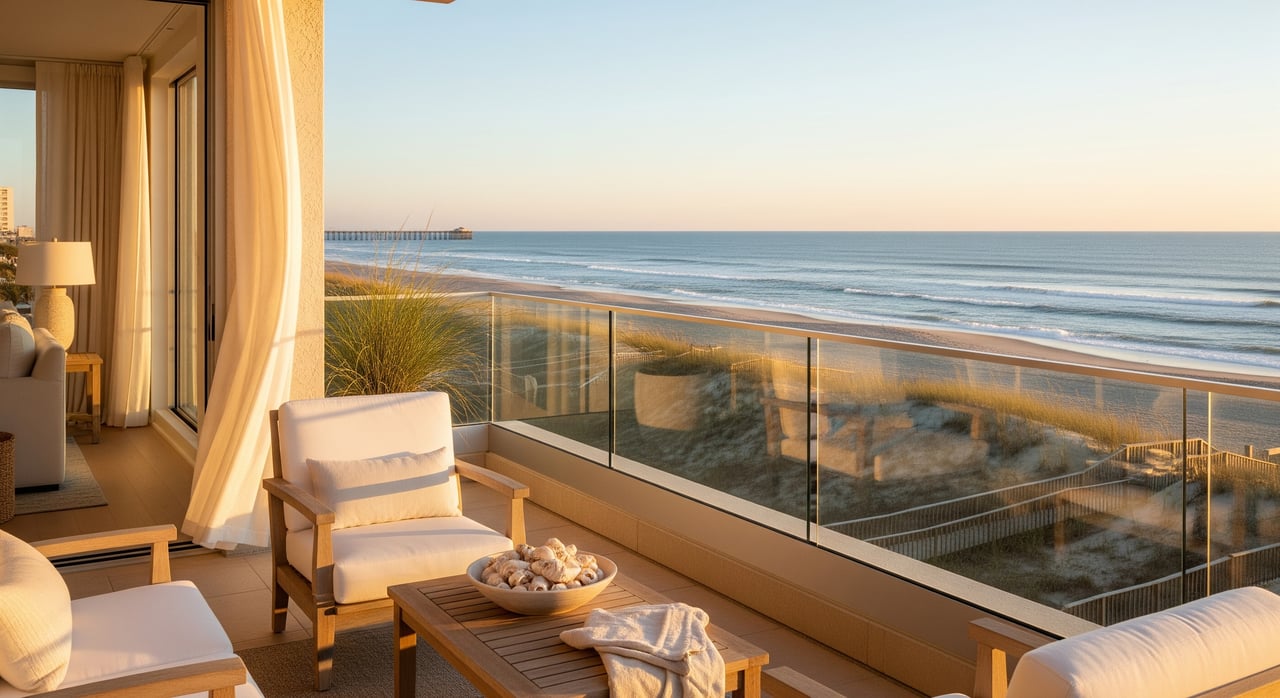
Thinking about trading long commutes for ocean sunrises and evening beach walks? If you are weighing a move to Myrtle Beach or the broader Grand Strand, you are not alone. Many people come for the coastline and stay for the laid-back rhythm, mild winters, and active community life. In this guide, you will learn what everyday coastal living really looks like, from neighborhoods and commuting to insurance, seasonality, and local services. Let’s dive in.
Grand Strand snapshot
Myrtle Beach anchors a long stretch of coastline known as the Grand Strand. While visitors flock to the boardwalk and resorts, year-round life reaches inland to communities like Carolina Forest, Conway, Surfside Beach, North Myrtle Beach, Little River, and Loris. Many residents live in one town and work or shop in another.
Tourism drives much of the local economy, which means vibrant hospitality, retail, and entertainment sectors. You will also find steady employment in healthcare, education, construction and real estate, and public services. Seasonal hiring expands in summer, then eases in winter, so job availability can shift depending on the month.
Neighborhoods and housing
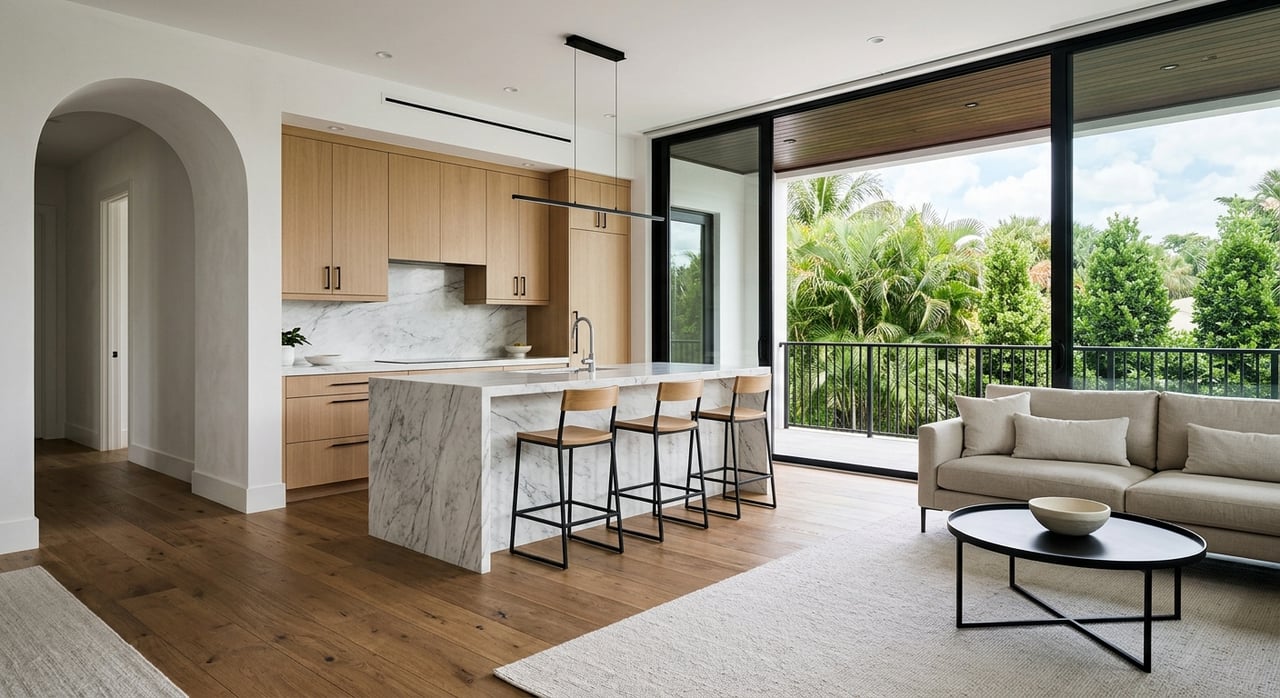
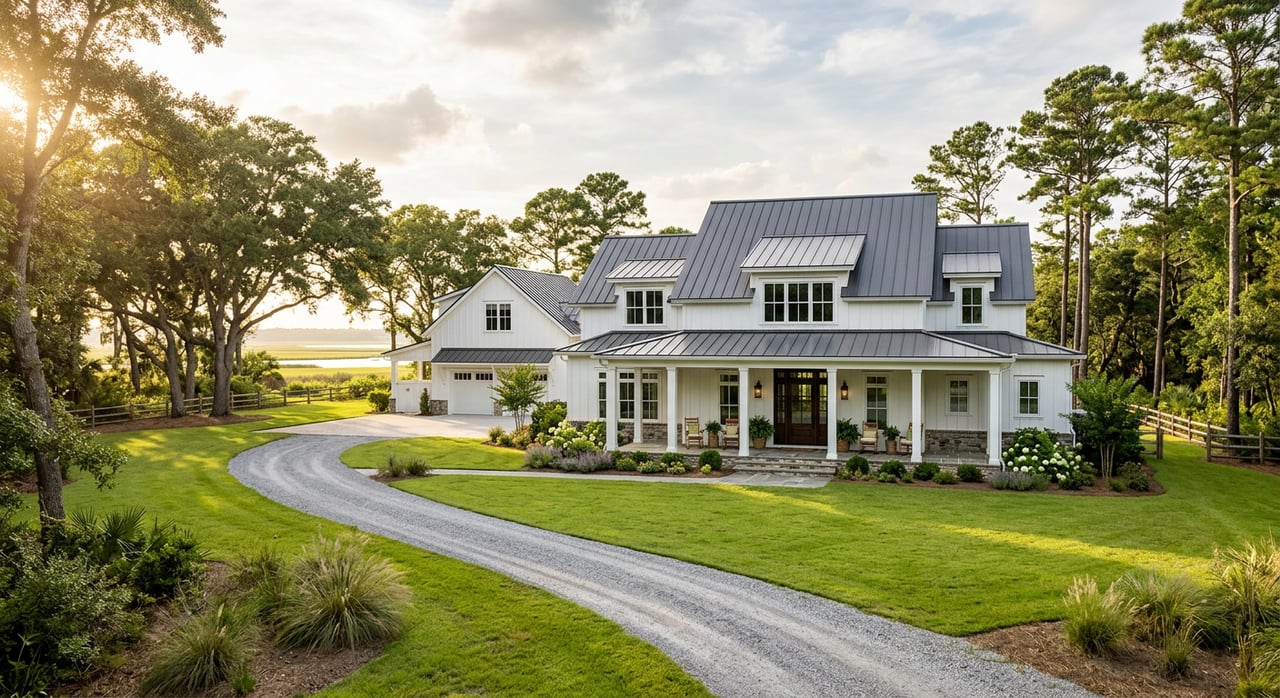
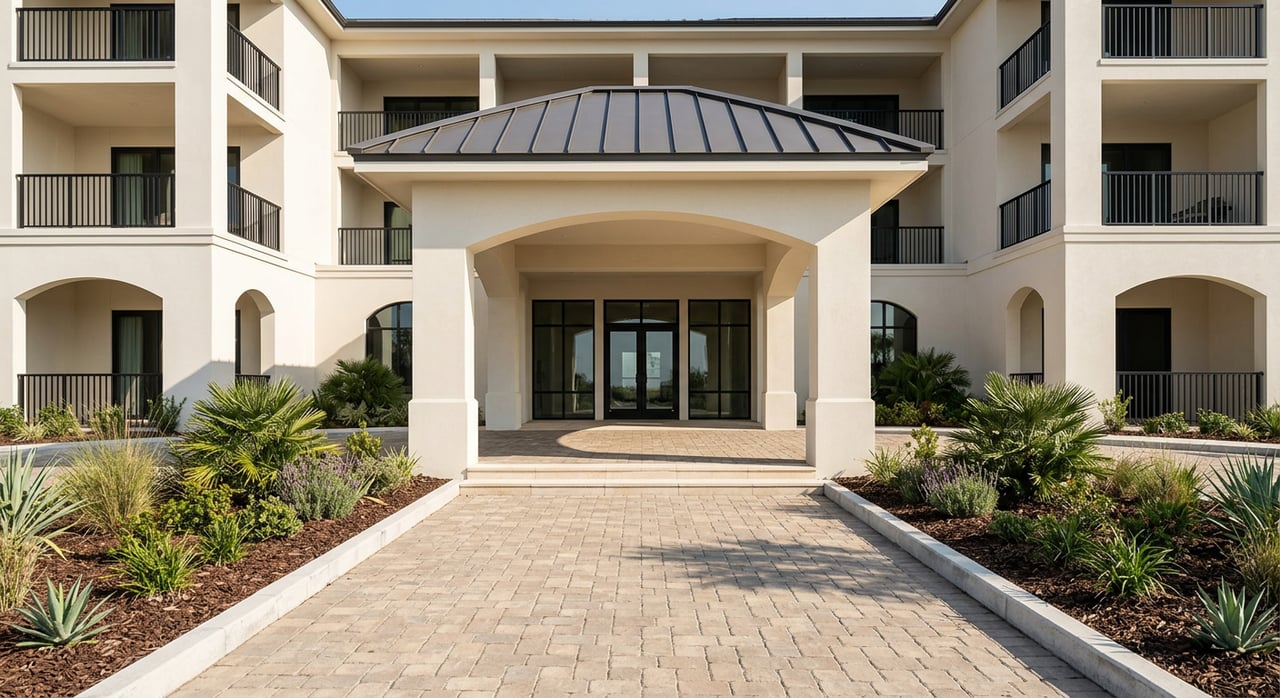
You can choose from a wide mix of homes. Beachfront and near-ocean corridors often feature condos, many with on-site amenities. Inland, you will find single-family neighborhoods, golf and gated communities, master-planned areas with pools and trails, and smaller historic pockets around Conway.
Where you live shapes daily life. Near the ocean, you get quick beach access but more visitor activity, event traffic, and parking dynamics during peak months. Inland neighborhoods feel more suburban and quiet. As you evaluate options, consider HOA rules, short-term rental presence nearby, and elevation or flood zones.
Condo vs house
Choosing between a condo and a single-family home often comes down to lifestyle and budget.
Condos
- Typically include HOA fees that cover shared amenities and exterior maintenance.
- May sit in buildings with short-term rentals, which can change noise and turnover.
- Offer close-to-the-beach convenience, plus elevators and security in many buildings.
Single-family homes
- Often provide more privacy, yard space, and parking.
- HOA involvement varies, from none to active master-planned communities.
- Can reduce exposure to coastal storm surge if located farther inland or on higher ground.
If you lean condo, review covenants for rental rules, pet policies, special assessments, and what the master policy covers. If you lean single-family, verify utility setup, lot drainage, and whether the home sits in a flood zone.
Commuting and traffic
Driving is the norm. Commute times are generally modest by big-city standards, but congestion rises in summer, especially on U.S. 17 along the coast and U.S. 501 into and out of Conway. SC 707 and Robert Grissom Parkway also see heavier flows in peak season and around events.
Public transit exists through a regional bus system with routes along major corridors and seasonal connections to beach areas. Coverage is limited compared to large metros, so plan on a car for most errands. If you travel often, Myrtle Beach International Airport provides commercial flights to many markets, with larger hubs reachable by car in other South Carolina cities.
Everyday services and shopping
Daily errands are straightforward once you learn the main roads. Grocery stores and big-box retailers cluster along Highway 17, Highway 501, and Robert Grissom Parkway. Coastal Grand Mall and surrounding centers serve as key retail hubs. You will also find local markets and specialty shops, though niche items may require a farther drive or online ordering.
Banks, postal services, and government offices are easy to reach by car. City services concentrate in Myrtle Beach proper, while many county functions sit in Conway. Like most beach towns, parking near the oceanfront is tighter in high season, with more metered or paid options.
Healthcare and education overview
Multiple hospital systems, urgent care clinics, primary care providers, and specialists serve the Grand Strand. For some highly specialized care, you may travel to larger regional medical centers in other South Carolina cities. If you have specific medical needs, confirm insurance networks and provider availability before you choose a neighborhood.
Public schools are administered by Horry County Schools, with attendance zones that vary by neighborhood. The area also hosts higher education institutions, including a university and a technical college, which add cultural events and local employment. If schools are a priority, review zoning maps and programs that fit your student’s needs.
Lifestyle and recreation
Coastal living is the headline. Morning beach walks, biking on flat terrain, paddleboarding on calm days, and easy access to fishing and boating set the pace. The Grand Strand is known for golf, from classic layouts to resort courses, and there are parks, state parks, estuaries, and wildlife refuges for nature lovers.
Dining runs from casual seafood to finer options, plus year-round local favorites and seasonal spots that expand in summer. Entertainment ranges from live music and theaters to arcades and family attractions. Many residents block out time for sunrise swims in the warm months, then shift to quiet beach strolls and local festivals in the off-season.
Seasonality and tourism impacts
Summer is peak season, with busy beaches, longer restaurant waits, and lively event calendars. Spring and fall bring shoulder-season surges, especially around holidays and festivals. Winter is calmer, with shorter lines, lighter traffic, and a more local vibe.
These shifts affect day-to-day routines. In summer, you may plan errands for early mornings, make reservations for dinner, and expect more street parking competition near the oceanfront. Many residents love the contrast: the energy of summer and the relaxed pace of winter.
Cost of living basics
Compared with many coastal metros, the Grand Strand can feel more affordable, especially away from premium beachfront zones. That said, demand rises near the ocean and in sought-after communities. Build a budget that accounts for:
- HOA fees for condos or master-planned neighborhoods
- Flood, wind, and hurricane insurance where required
- Higher summer electricity for air conditioning
- Potential seasonal fluctuations in rental rates
- Parking, beach passes, and event fees during peak months
Because costs vary by property and neighborhood, it helps to evaluate actual monthly carrying costs before you commit.
Insurance, flood risk, and storms
Hurricane season runs through late fall, so planning is part of everyday coastal life. Many coastal properties require separate flood insurance in addition to homeowners coverage. Wind and hail coverage may also be separate or structured differently.
Check flood maps, evacuation zones, and elevation for any home you consider. Ask about mitigation features like elevated construction, reinforced roofing, storm shutters, and flood vents. These can reduce risk and influence premiums. If you buy in a condo building, understand the master policy and what your individual unit policy should cover.
Utilities and connectivity
Utilities come from a mix of municipal and private providers. Some areas use septic systems rather than sewer, especially in less developed zones, so confirm the setup for any address. Expect higher electric bills in the hottest months due to air conditioning.
Broadband and cellular service vary by neighborhood. If you work remotely, verify provider options and speeds at the exact property, and test your mobile coverage. For trash and recycling, check city or county schedules, along with any HOA guidelines.
Safety and beach awareness
Like many tourist destinations, crowded visitor areas can see more petty crime such as vehicle break-ins. Residential neighborhoods typically feel quieter. You can review local police and sheriff reports for neighborhood-level data.
On the water, learn beach flag meanings, rip current awareness, and lifeguard hours. Storm readiness, from having a simple go-bag to knowing your evacuation route, is part of responsible coastal living.
Choosing your fit
As you narrow your search, match your day-to-day routine with the right neighborhood and home type. Think about how you spend weekends, your commute, school preferences, and how close you want to be to the beach. Try these quick steps:
- Visit in different seasons and at different times of day.
- Drive your likely commute routes during peak hours.
- Walk the neighborhood to gauge traffic, noise, and parking.
- Confirm flood zone, insurance quotes, and HOA rules.
- Check internet options if you work from home.
A clear game plan helps you decide if a condo by the waves or a single-family home inland is the better fit.
How a local guide helps
A neighborhood specialist can translate seasonality, HOA nuances, and flood considerations into practical next steps. You get targeted options, up-to-date insights on communities across the Grand Strand, and a smoother path from touring to closing. If you are buying, investing, upsizing, downsizing, or exploring new construction, a responsive partner keeps you confident at every turn.
Ready to explore homes and map out a plan that fits your goals? Connect with Larisa Esmat for multilingual, boutique service backed by modern marketing and deep neighborhood knowledge across the Grand Strand.
FAQs
What does year-round life in Myrtle Beach feel like?
- Expect lively summers with more traffic and events, then quieter winters with easy parking, shorter lines, and a relaxed, local pace.
How bad is summer traffic on U.S. 17 and U.S. 501?
- Traffic increases notably during peak months and events, so plan errands earlier, use alternate routes where possible, and add extra time for beach-area trips.
Do you need flood insurance near the beach?
- Many coastal properties require separate flood policies in addition to homeowners coverage, so check flood maps, elevation, and local requirements for any address.
Can you live in Myrtle Beach without a car?
- Buses run along major corridors, but coverage is limited compared to big cities; most residents rely on a car for commuting and daily errands.
What should you know about condo HOAs and rentals?
- Review covenants for rental rules, pet policies, and special assessments, and confirm what the master insurance policy covers versus your individual unit policy.
Are there jobs beyond tourism and hospitality?
- Yes. Healthcare, education, construction and real estate, and public services provide year-round roles, while hospitality and retail expand seasonally.
How do schools and zoning work in Myrtle Beach?
- Public schools are part of Horry County Schools, with attendance zones that vary by neighborhood; check zoning maps and programs that fit your student’s needs.