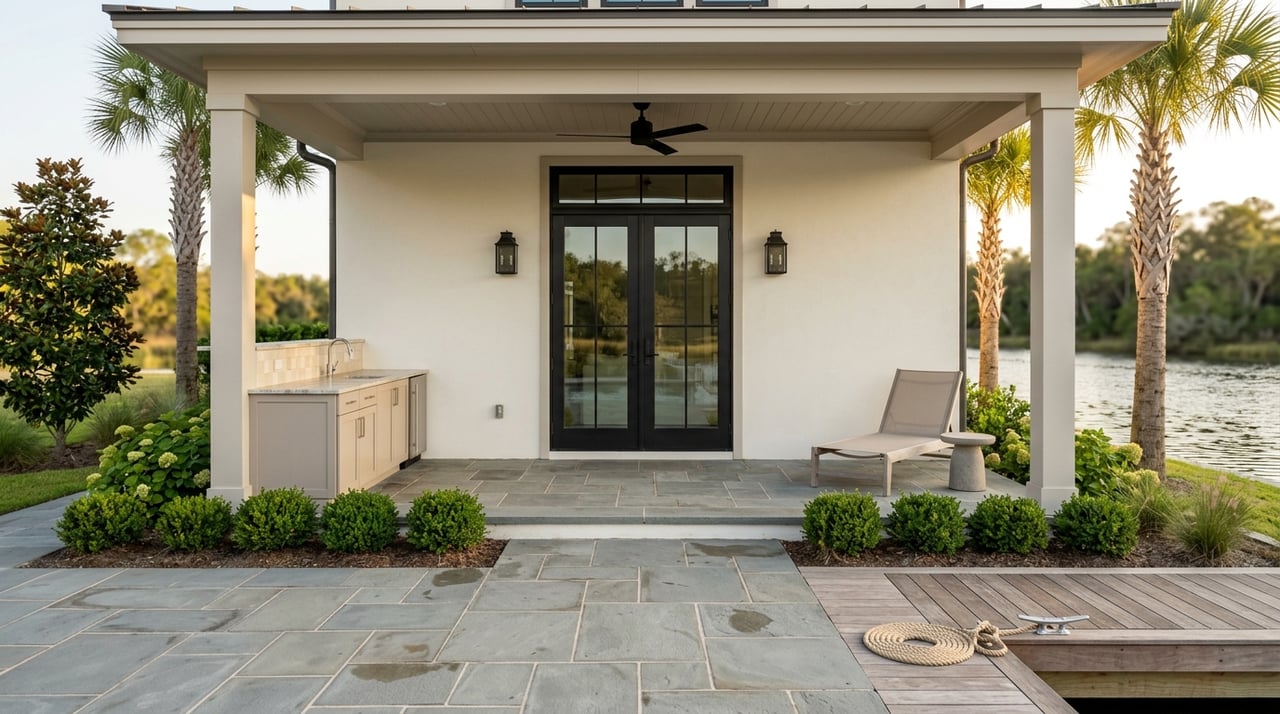
Wondering what it really takes to sell a waterway home in Socastee? If your property sits on or near the Intracoastal Waterway, you are not selling just square footage. You are selling access, views, waterfront features, and a lifestyle that buyers in this part of Horry County actively compare. This guide walks you through what matters most so you can prepare, price, and market your home with more confidence. Let’s dive in.
Why Socastee waterfront homes stand out
Socastee has a strong connection to the Intracoastal Waterway, and that identity shapes buyer interest. The Socastee Historic District record notes the area’s historic swing bridge over the waterway, while the South Carolina DNR paddling trail overview and related coastal corridor information reinforce how central the ICW is to this part of the Grand Strand.
For buyers, that means a Socastee waterfront home often feels like a niche property rather than a standard suburban listing. Access to the water, boating convenience, and the overall water-facing setting can influence how your home is perceived from the start.
Public launch options also strengthen the local value story. The South Carolina Department of Natural Resources boating facilities guide lists both the Socastee boat ramp and the Enterprise ramp as Intracoastal Waterway access points in Horry County. If your home offers direct access, dock features, or proximity to these amenities, buyers will likely weigh those details carefully.
What drives value in a waterway sale
When you sell a waterway home in Socastee, buyers usually look beyond bedroom count and interior finishes. According to Appraisal Institute guidance on waterfront valuation, water-access quality, shoreline characteristics, and scenic views can meaningfully affect value.
That is why the best comparable sales are usually other true waterfront homes, not inland properties with similar square footage. A home with direct frontage on the ICW, a usable dock, and strong outdoor living space may compete in a different lane than a nearby home without those features.
Waterfront features buyers notice first
The details buyers tend to focus on include:
- Direct water access versus water view only
- Shoreline length and usability
- Dock, pier, or lift condition
- View quality from main living areas and outdoor spaces
- Water-facing patios, porches, decks, or launch areas
- Any documented permitted improvements
In many cases, these features shape buyer interest before they ever get deep into room dimensions. Your marketing and pricing strategy should reflect that reality.
Clarify what conveys with the property
One of the most important parts of selling a waterfront home is making the transfer details clear. Appraisal Institute material on riparian and littoral rights explains that rights tied to the waterfront and fixtures permanently attached to the property may be part of the real estate.
In practical terms, buyers may ask whether the dock, lift, pier, bulkhead, or boat-storage structure conveys with the sale. They may also want to know whether those features were properly permitted and whether you have records that support that.
Documents worth gathering early
Before your home hits the market, it helps to assemble:
- Dock or shoreline improvement records
- Permit documents, if available
- Survey or boundary information
- Repair and maintenance receipts
- Any manuals or records for lifts or related equipment
- A clear list of what stays and what does not
This kind of preparation reduces confusion later and helps buyers feel more comfortable making an offer.
Prepare for disclosure questions
South Carolina has clear disclosure requirements for covered residential property. The current state residential property condition disclosure rules require sellers to disclose known issues involving items such as structural components, water and sewage systems, mechanical systems, encroachments, environmental contamination, and rental agreements.
For a Socastee waterway home, buyers often pay especially close attention to moisture, drainage, erosion, and prior water-related concerns. If you have maintenance records, repair invoices, or notes about improvements you made over time, organizing them before listing can make the process smoother.
Waterfront-specific issues to review
Take time to think through whether you have information on:
- Prior drainage concerns
- Moisture intrusion or repairs
- Erosion or shoreline stabilization work
- Bulkhead or dock maintenance
- Any known encroachments or covenant restrictions
- Existing lease or rental arrangements, if applicable
Being prepared does not mean your property has to be perfect. It means you can answer questions clearly and keep the transaction moving.
Understand flood risk before listing
Flood risk is one of the biggest topics in any waterfront sale in Socastee. Horry County’s FEMA flood map resources explain that local maps identify flood-hazard areas and insurance-rate zones, and county emergency guidance notes that flood insurance is separate from standard homeowners coverage.
This matters because buyers often want details early. They may ask whether the home is in a flood zone, whether flood insurance is currently required, what prior claims or flood history exist, and whether there are elevation or mitigation documents available.
County planning also highlights why this issue remains front and center. Horry County’s resiliency and flood-risk planning information references risk reduction efforts along the Intracoastal Waterway and includes materials tied to the Socastee area. That means many buyers will come to the table already expecting a detailed conversation.
Questions to be ready for
Expect buyers to ask:
- Is the home in a FEMA flood zone?
- Is flood insurance required for this property?
- What has the seller experienced during major rain or storm events?
- Are there elevation certificates or insurance documents available?
- Have there been drainage improvements or mitigation steps?
If flood insurance will be part of the conversation, timing matters too. Horry County notes NFIP participation locally, and FEMA guidance referenced by the county explains that flood policies typically have a 30-day waiting period before taking effect. Clear documentation can help buyers plan ahead.
Check permitting for waterfront improvements
If your property has a dock, shoreline stabilization, or other water-related feature, permitting can be a major part of due diligence. The South Carolina Department of Environmental Services coastal permitting pages outline authorization requirements for activities involving private docks, erosion-control structures, living shorelines, boat ramps, marinas, and dredging.
Some lots near marsh or tidal waters may also involve a Critical Area Line certification. Even if your improvement has been in place for years, buyers may still want proof that the feature is documented appropriately.
The main goal here is simple: reduce uncertainty. If you can show what was added, when it was added, and whether permits were obtained, your listing becomes easier for buyers to evaluate.
Price against true waterfront competition
A common mistake in waterfront sales is comparing a waterway home to inland homes that look similar on paper. Waterfront property often behaves like a smaller, more specialized market, and Appraisal Institute standards guidance supports using property-specific exposure time and market context rather than broad neighborhood averages.
In other words, your home may need a more deliberate pricing strategy than a typical listing nearby. If the value story depends on frontage, views, dock access, or water-facing outdoor space, those features should be reflected in both the comparable selection and the expected timeline.
Why waterfront homes can take longer
A longer market time does not always signal a problem. It can simply reflect that:
- The buyer pool is narrower
- Buyers ask more detailed questions
- Insurance and permitting review can add time
- Buyers compare lifestyle features, not just finishes
- Pricing depends on nuanced property differences
That is why strategic pricing matters so much. You want to attract qualified interest without overlooking the premium buyers may place on verified waterfront benefits.
Market the features buyers can verify
The strongest waterfront listings usually focus on evidence, not vague lifestyle language. According to Appraisal Institute waterfront insights, view and access quality are part of the value story. That means your presentation should make those features easy to see and understand.
For a Socastee waterway listing, that usually includes strong visuals of the rear elevation, water-facing outdoor space, dock or launch area, and the relationship between the house and the water. Buyers want to picture how the property functions, not just how it looks from the street.
What your marketing should highlight
A strong listing strategy should clearly show:
- Whether the home has direct ICW access
- The condition and usability of the dock or shoreline area
- Outdoor spaces that face the water
- View corridors from inside and outside the home
- Any available permit, flood, or elevation documents
- Features that help reduce buyer uncertainty
This is where a full-service marketing approach makes a real difference. Professional photography, video, and clear property information can help serious buyers understand the home faster and make stronger decisions.
A smart selling plan for Socastee waterfront owners
Selling a waterway home in Socastee is rarely a one-size-fits-all process. The homes that stand out usually combine thoughtful preparation, realistic waterfront pricing, and marketing that clearly explains the property’s water-related advantages.
If you are thinking about selling, the best first step is to look at your home the way a waterfront buyer will. What is documented, what is permitted, what conveys, and what makes your water access or view different from the next property? Once those answers are clear, your listing strategy becomes much stronger.
If you want local guidance on preparing and marketing your Socastee waterfront property, Larisa Esmat offers a hands-on, full-service approach with professional marketing, clear communication, and neighborhood-focused expertise across the Grand Strand.
FAQs
What makes selling a waterway home in Socastee different from selling an inland home?
- Waterfront buyers often compare water access, dock features, shoreline usability, view quality, flood-zone status, and permitting details in addition to the home itself.
What should sellers disclose when listing a Socastee waterfront home?
- South Carolina requires disclosure of known property issues for covered residential property, and waterfront sellers should be ready with records related to drainage, moisture, erosion, structural concerns, and other known conditions.
What documents help when selling a Socastee home on the Intracoastal Waterway?
- Helpful documents can include repair records, maintenance receipts, surveys, permit information, flood-related documents, and a clear list of waterfront features that convey with the sale.
Why can a Socastee waterfront home take longer to sell?
- Waterfront homes often serve a narrower buyer pool, involve more due diligence, and require pricing against other true waterfront properties rather than inland homes nearby.
Do docks and boat lifts automatically convey with a Socastee waterfront home sale?
- Buyers often expect clarity on whether docks, lifts, piers, bulkheads, and similar fixtures convey, so it is important to document what is included and provide any available supporting records.
How important is flood-zone information when selling a waterfront home in Socastee?
- Flood-zone status is a major buyer concern in Horry County, and buyers often want early information about insurance requirements, prior flood history, drainage, and any available mitigation or elevation documents.