Comparing Surfside Beach communities and keep seeing HOA, POA, and COA on listings? You are not alone. Choosing the right association type affects your fees, maintenance responsibilities, rental options, and day-to-day experience along the Grand Strand. In this guide, you will learn what each association manages, how fees work, and the due diligence steps that help you buy with confidence. Let’s dive in.
HOA, POA, COA: what they mean
HOA basics
A homeowners association typically serves a subdivision or planned residential community, often with single-family homes and sometimes townhomes. The HOA enforces recorded covenants, conditions, and restrictions, collects assessments, and maintains common areas defined in the governing documents. A volunteer board of directors usually sets the budget, levies dues, and manages rules.
POA basics
A property owners association is a broader term that can cover mixed communities or resort-style developments with residential and sometimes commercial owners. A POA often manages shared infrastructure like private roads, drainage systems, marinas, and gates. In practice, POA and HOA can overlap, but a POA commonly signals management of non-residential shared assets.
COA basics
A condominium owners association manages the common elements of a condo building or complex. The COA’s authority comes from state condominium statutes and the recorded condominium declaration. These associations typically take on building systems and shared spaces that most single-family HOAs do not.
Who maintains what
Condos (COA)
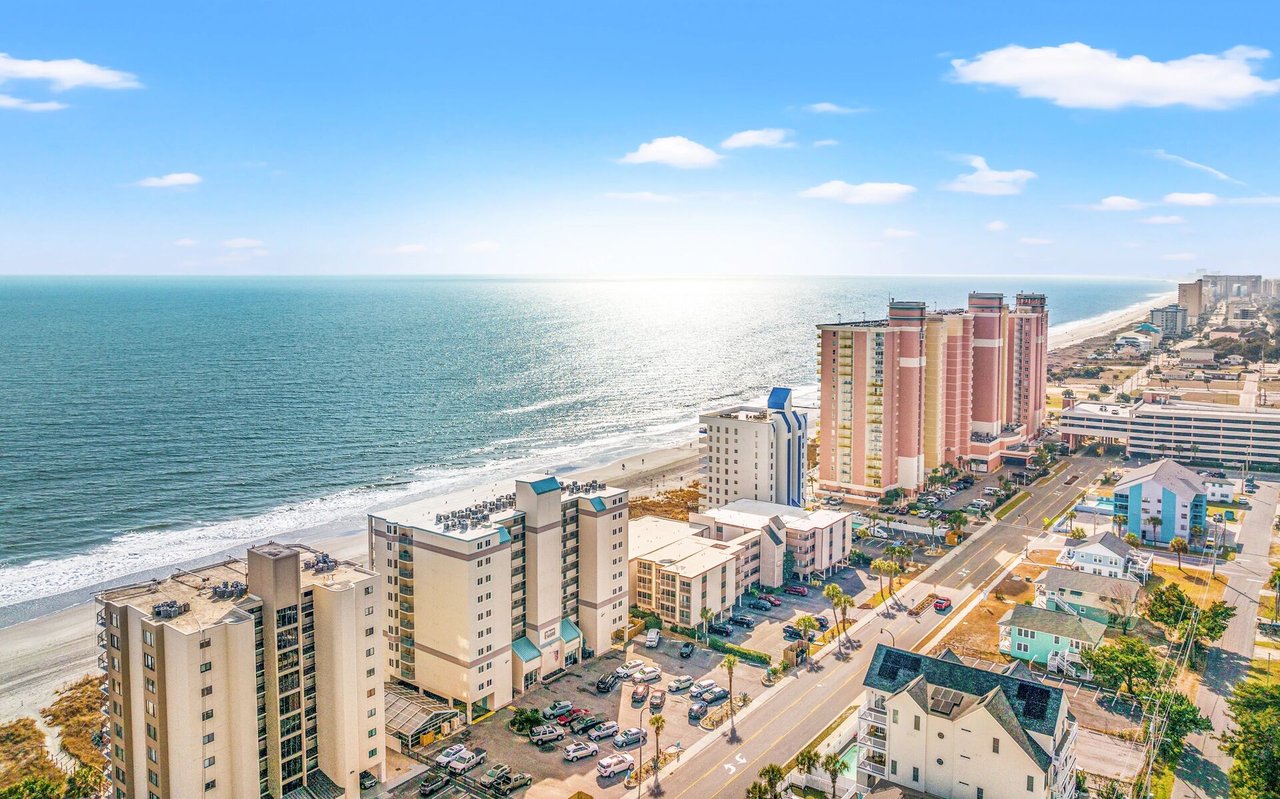
In condo communities, the COA usually handles the building exterior, roofs, corridors, elevators, parking structures, landscaping on common grounds, pool upkeep, exterior painting, and structural repairs. Many condo associations include some utilities in dues, such as water, sewer, trash, or cable. COAs also carry master insurance for common elements and structural components, which affects your personal insurance needs.
Single-family HOAs
Single-family HOAs tend to focus on neighborhood items like entrance monuments, landscaping for common areas, private roads and sidewalks, lighting, and shared amenities such as pools and clubhouses. Exterior home maintenance is often the owner’s responsibility, unless the community is explicitly maintenance included. Utilities are typically billed directly to each home, though some neighborhoods centralize trash, irrigation, or yard services.
POAs and mixed-use communities
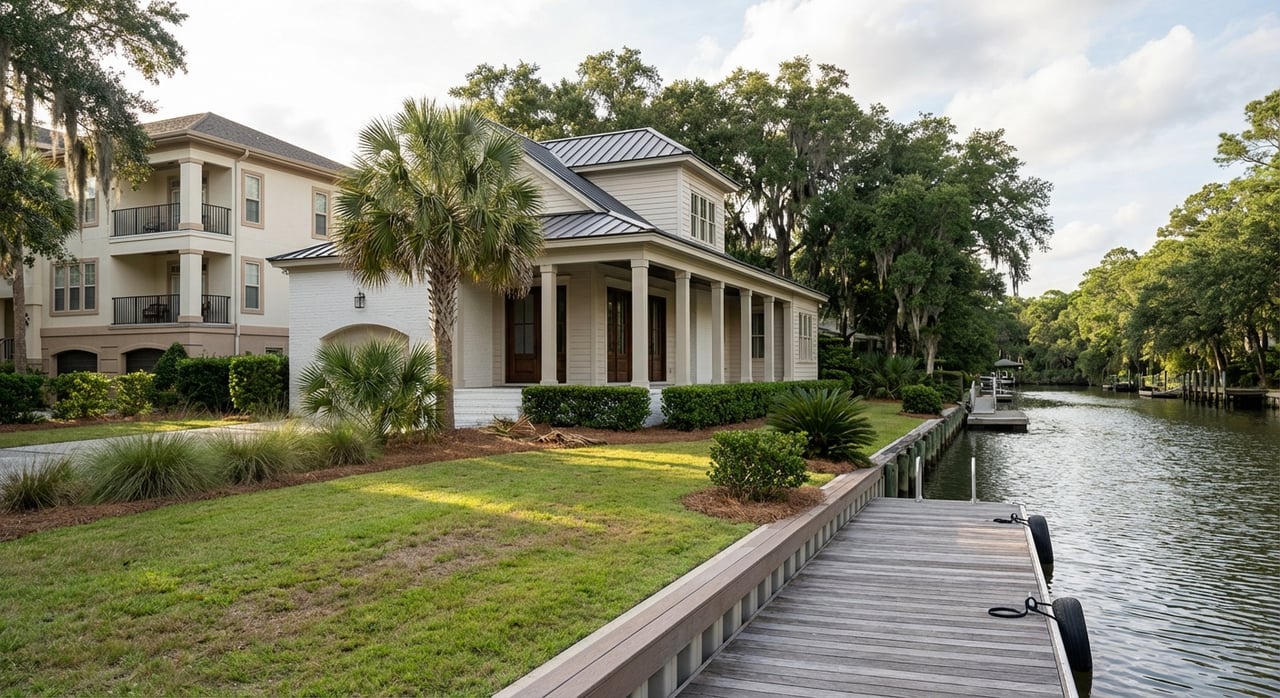
POAs can manage private roads, gate access, stormwater systems, community seawalls, docks, and other shared infrastructure. Where services are centralized, the POA either bills members for those services or includes the cost in dues. If a development includes marinas or private beach access, the POA often oversees those assets.
Fees, budgets, and reserves
Regular dues and what they cover
Associations charge regular monthly or annual assessments to fund operating expenses. Typical line items include landscaping, common-area utilities, insurance, management, routine repairs, and contributions to reserves. Some associations also charge transfer or move-in fees and capital improvement fees for larger projects.
Reserves vs. special assessments
Reserves are the savings plan for big-ticket items like roofs, paving, seawalls, or elevators. A well-funded reserve lowers the chance of special assessments. Special assessments are one-time charges to cover shortfalls, unexpected repairs, or upgrades not fully funded by reserves.
Cost factors on the Grand Strand
Along the Grand Strand, coastal exposure raises costs. Salt air accelerates wear on metal, concrete, and finishes. Wind and storm risk influence insurance and maintenance budgets. Condo associations usually have higher monthly fees than single-family HOAs, since they manage building systems and carry master insurance. POAs that oversee private roads or waterfront infrastructure may also have moderate to high assessments due to capital needs.
Lifestyle rules that shape your day-to-day
Architectural and exterior changes
Associations commonly regulate exterior changes. Expect guidelines for paint colors, fences, additions, and landscaping. Architectural review processes vary, so plan for approval timelines before you modify your property.
Parking, pets, and noise
Most communities outline guest and owner parking rules, especially where parking is limited. Pet policies address leash use, cleanup, and sometimes size or number limits. Noise and nuisance rules aim to keep the peace for year-round residents and visitors.
Short-term rentals in Surfside Beach
The Grand Strand is a major vacation market. Associations may prohibit short-term rentals, allow them with registration and management requirements, or set minimum rental periods. Some charge extra fees or deposits for units used as short-term rentals. Municipal rules can also apply, so you should confirm both association policies and Town of Surfside Beach regulations before you buy.
Coastal considerations in Surfside Beach
Flood zones and insurance
Many coastal properties sit in FEMA flood zones. Your lender may require flood insurance, and the cost can be significant. In condos, the COA may carry master flood insurance for the building, which changes what you need to insure inside your unit. Always review the association’s insurance certificates and understand what is covered by the master policy.
Beach access, seawalls, and infrastructure
If a community maintains beach access, dune walkovers, seawalls, or near-shore infrastructure, confirm who pays for repairs and long-term upkeep. Coastal assets face additional wear, and replacement projects can be costly. Ask about reserve studies and upcoming projects listed in meeting minutes or budgets.
Seasonal parking and guest access
Tourist season increases demand on parking and amenities. Associations often enforce parking permits, guest limits, and fines to manage peak periods. Ask how visitor parking works, how violations are handled, and whether overflow becomes an issue during holidays and summer months.
How association fees affect affordability
Build your monthly budget
When you evaluate a home, calculate your full monthly cost. Include loan principal and interest, property taxes, homeowner’s insurance, flood insurance if required, association dues, and utilities not covered by dues. For condos where dues include some utilities, compare net costs so you are looking at an apples-to-apples monthly number.
Lending and condo eligibility
Some lenders review condo eligibility based on the association’s financial health and reserves. If reserves are thin or there is significant deferred maintenance, financing can be harder. Review the latest reserve study and financial statements early, so you can plan for any lender requests.
Due diligence checklist for buyers
Request these items before you finalize your offer or as early contingencies. Read for restrictions, responsibilities, and financial health.
- Declaration or CC&Rs for HOAs and POAs, or the Condominium Declaration for condos
- Bylaws and Rules & Regulations
- Current year budget and prior 2–3 years of financial statements
- Most recent reserve study and the reserve funding policy
- Assessment schedule with current dues, history of special assessments, and any pending or planned assessments
- Insurance certificates for the master policy and association liability, plus a clear breakdown of what the owner must insure
- Meeting minutes for the past 12–24 months, noting capital projects, litigation, vendor issues, or rule changes
- Rental policy and current list of rentals, including any registration or management rules
- Rules for pets, parking, noise, and architectural changes
- Management agreement and contact information for the management company or board
- Reserve account balances or bank statements when available
- Pending litigation or claims and any judgments or arbitration notices
- Certificates of occupancy, inspection reports, or engineering reports for seaside structures when available
- Seawall or beach access agreements and any dune or beach management plans
- Map of common elements vs. owner responsibility for condos, including balconies and windows
- Parking agreements and any assigned spaces
Red flags to watch
Financial and governance signs
Be cautious if reserves are low or there is no recent reserve study. Frequent or large special assessments can signal prior underfunding. Watch for frequent board turnover, unsettled legal claims, or a lack of audited financials and clear reporting.
Building condition signals
Look for mention of upcoming big-ticket projects like roof replacement, seawall repairs, elevator overhauls, or façade work. Older buildings and those close to the ocean often face accelerated wear. Meeting minutes and engineering reports can reveal the scale and timing of planned work.
Choosing the right fit in Surfside Beach
Start with your lifestyle and budget, then layer in the differences among HOA, POA, and COA communities. If you want low-maintenance living in a building with amenities, a condo association might fit best. If you prefer more control over your home with modest shared spaces, a single-family HOA can be a good match. For boaters or buyers who want private roads or marinas, a POA may offer the right infrastructure.
As you compare options, weigh dues against what they cover, review reserves and projects, and understand the rental policy. With a clear checklist and the right local guidance, you can choose a Surfside Beach community that supports both your daily life and long-term goals.
Ready to explore the right communities across Surfside Beach and the Grand Strand? Connect with a local guide who understands association documents, coastal maintenance, and short-term rental dynamics. Let’s talk through your goals and line up communities that fit your lifestyle and numbers. Reach out to Larisa Esmat to get started today.
FAQs
What is the difference between an HOA, POA, and COA in Surfside Beach?
- An HOA usually serves single-family neighborhoods and common areas, a POA often manages mixed-use or infrastructure like private roads or marinas, and a COA manages condo buildings and common elements.
Who handles exterior repairs in Grand Strand condos vs. single-family homes?
- In most condos, the COA covers building exteriors and shared systems, while in single-family HOAs the owner usually maintains the home exterior unless the documents say otherwise.
How do association dues affect my monthly budget in Surfside Beach?
- Add dues to your mortgage, taxes, homeowner’s insurance, flood insurance if needed, and utilities not covered by the association to see your full monthly cost.
What should I review before buying in a Surfside Beach association community?
- Request governing documents, rules, budgets, recent financials, the latest reserve study, meeting minutes, insurance certificates, rental policies, and any engineering or inspection reports.
Are short-term rentals allowed in Surfside Beach communities?
- Policies vary by association and town rules, so verify both the community’s rental policy and municipal regulations before you buy.
How common are special assessments along the Grand Strand?
- Coastal conditions and aging buildings increase the chance of large projects, so review reserve studies and minutes to gauge risk before you commit.