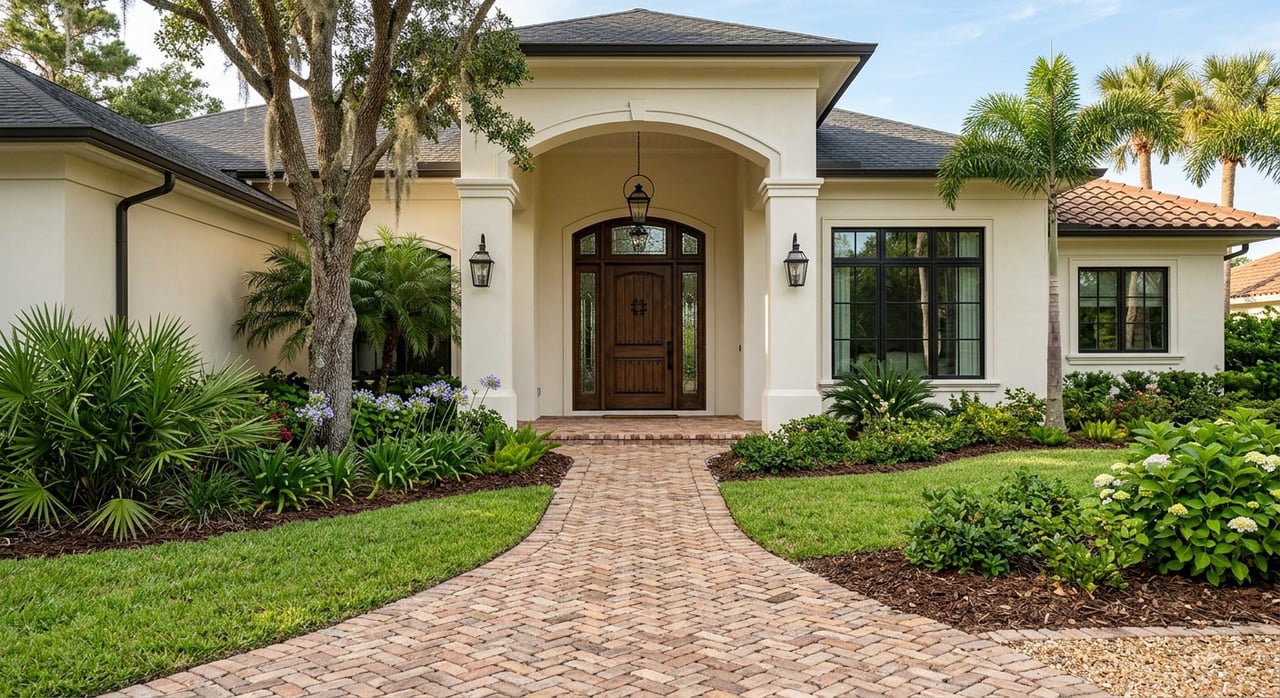
Buying a home in Conway can feel exciting right up until the timeline starts to blur. You may be wondering how long preapproval takes, when inspections happen, and what closing looks like in South Carolina. The good news is that the process becomes much easier when you know the major steps ahead of time. Here is a clear look at what you can expect, from early prep to getting your keys. Let’s dive in.
Start With Financial Prep
Before you tour homes or write an offer, it helps to get your financial picture in order. This stage can begin months in advance if you need time to improve your credit, save for a down payment, or compare lenders.
A smart first step is reviewing your credit and spending. During this time, it is usually best to avoid taking on new debt, opening new credit cards, or making large financed purchases like a car. Those changes can affect your loan options and your monthly budget.
If you plan to compare lenders, there is some good news. Multiple mortgage credit checks within a 45-day window are typically treated as a single inquiry for credit scoring purposes. That can give you room to shop without as much worry about repeated pulls.
Understand Preapproval Timing
Preapproval is often one of the first big milestones in your Conway home purchase timeline. A preapproval letter can help show sellers that you are serious, but it is not the same thing as a final loan commitment.
You also do not have to stick with the lender who issues your preapproval. After you submit a mortgage application, the lender must provide a Loan Estimate within three business days. That is the document you can use to compare loan terms and estimated costs side by side.
As you build your budget, remember to look beyond the purchase price. In Horry County, the Assessor offers a tax estimator that can help you estimate future property taxes. That can be especially useful if you are narrowing down what monthly payment feels comfortable.
Expect the Home Search to Vary
The home search is usually the least predictable part of the process. Once you have a budget and a loan direction, you are ready to start shopping seriously, but the timeline depends on available inventory and how quickly the right property appears.
Some buyers find a match quickly, while others need more time to compare neighborhoods, home styles, lot sizes, or commute patterns. In Conway, your search may also depend on whether you want an established home, a newer property, land, or a home with room for future updates.
This is where having a local guide matters. A neighborhood-focused agent can help you move faster when the right home comes up while keeping you grounded in your budget and priorities.
Move Quickly After Acceptance
Once a seller accepts your offer, the process becomes much more deadline-driven. This contract-to-closing phase is often planned around a 30- to 45-day window, although some loans may take longer.
That sounds like plenty of time, but this stage can feel compressed. There are lender requirements, inspection deadlines, appraisal scheduling, document requests, and final approval steps all happening close together.
Because there is little room for delays, staying organized matters. You will want to respond quickly to lender requests, review documents promptly, and keep an eye on the dates written into your contract.
Schedule the Inspection Early
One of the first priorities after going under contract is the home inspection. This should be scheduled early because it can affect both your negotiations and your timeline.
It is important to know that an inspection is not the same as an appraisal. The inspection focuses on the condition of the home, while the appraisal helps the lender confirm the home’s value.
If your contract includes an inspection contingency, you may be able to cancel without penalty if the results are not acceptable. That is one reason buyers should pay close attention to inspection deadlines and review the findings carefully.
Watch for Appraisal and Repair Issues
In most financed purchases, the lender will require an appraisal. If the appraisal comes in as expected, the transaction usually keeps moving. If it raises questions, the process may need extra review.
Repairs can also affect timing. If the inspection or appraisal reveals needed repairs, the lender may require those repairs to be completed before closing or may require funds to be set aside to cover them.
This is one of the most common reasons a closing date shifts. In practical terms, your closing date is a target window, not a guarantee.
Compare Loans During Underwriting
Many buyers assume they need to choose a lender before they make an offer, but that is not always the case. Even after selecting a home, you can still compare official Loan Estimates from multiple lenders.
That matters because the period after acceptance moves fast, and loan costs can vary. Comparing terms, rates, and estimated closing costs can help you make a more informed decision while the file moves through underwriting.
At the same time, expect the lender to ask for updated documents. Quick responses can help keep your loan on track and reduce last-minute stress.
Know What Closing Means in South Carolina
Closing is the final step in buying and financing your home. This is when the loan becomes final, funds are distributed, and the purchase and financing typically happen at the same time.
In South Carolina, a licensed South Carolina attorney is required to supervise the closing. That is an important part of the local process and one reason your closing timeline here may look a little different from what friends or family experienced in other states.
Your closing attorney typically supervises the signing and recording steps while following lender instructions. In short, this is the point where all the moving pieces come together.
Review Your Closing Disclosure
Before closing day, you should receive your Closing Disclosure at least three business days in advance. This gives you time to review your final loan terms, projected payments, and closing costs before you sign.
If you want to prepare even more thoroughly, you can request the promissory note, mortgage, and deed in advance. Reviewing documents early can help you spot questions before your appointment rather than at the table.
This part of the timeline is worth taking seriously. A careful review can help you feel more confident and avoid surprises on closing day.
What Happens After Closing
Getting the keys is a major milestone, but a few important steps still continue after closing. The deed and mortgage still need to be recorded through the county system.
In Horry County, the Register of Deeds records deeds, mortgages, plats, and other land records. The county also offers eRecording for professionals submitting land documents, which can help save time and money in the recording process.
Ownership records and tax administration may also take time to update. Horry County’s Assessor maintains ownership information for real property, and address changes for real property should be directed there.
It also helps to know the county’s tax schedule. Real property tax notices are mailed to the owner of record on October 1, and payment is due by January 15 of the following year.
A Simple Conway Purchase Timeline
If you want the process in a quick, practical format, here is the general flow:
- Financial prep: review credit, save funds, and avoid new debt if possible.
- Preapproval: talk with lenders and get a preapproval letter.
- Home search: tour homes and narrow down the right fit in Conway.
- Offer accepted: move into a deadline-driven contract period.
- Inspection and appraisal: evaluate condition and confirm value.
- Underwriting: submit documents and work through lender conditions.
- Closing disclosure review: review final terms at least three business days before closing.
- Attorney-supervised closing: sign documents, finalize the loan, and receive keys.
- Recording and tax updates: county records and ownership information are updated after closing.
Why Local Guidance Helps
Even when the steps are straightforward, timing can shift based on repairs, appraisal issues, and lender conditions. That is why many buyers benefit from having a local expert who understands both the bigger picture and the day-to-day details.
In Conway and across the Grand Strand, a clear plan can make the experience feel far less overwhelming. When you know what happens before the offer, during the contract period, and after closing, you can make decisions with more confidence.
If you are planning a move in Conway and want step-by-step guidance tailored to your goals, connect with Larisa Esmat for a personalized consultation.
FAQs
How long does a Conway home purchase usually take after my offer is accepted?
- In many cases, the contract-to-closing period is planned around 30 to 45 days, although some loans can take longer.
What should I do before starting the home search in Conway?
- Review your credit, look at your spending, avoid new debt if possible, and start comparing lenders so you understand your budget.
Is a mortgage preapproval the same as final loan approval for a Conway home purchase?
- No. A preapproval letter shows you are a serious buyer, but it is not a final loan commitment.
When do I receive the Closing Disclosure for a Conway home closing?
- You should receive the Closing Disclosure at least three business days before closing.
Who handles the closing for a home purchase in Conway, South Carolina?
- In South Carolina, a licensed South Carolina attorney is required to supervise the closing.
What happens after I get the keys to my Conway home?
- After closing, the deed and mortgage still need to be recorded through the county system, and ownership and tax records may take time to update.