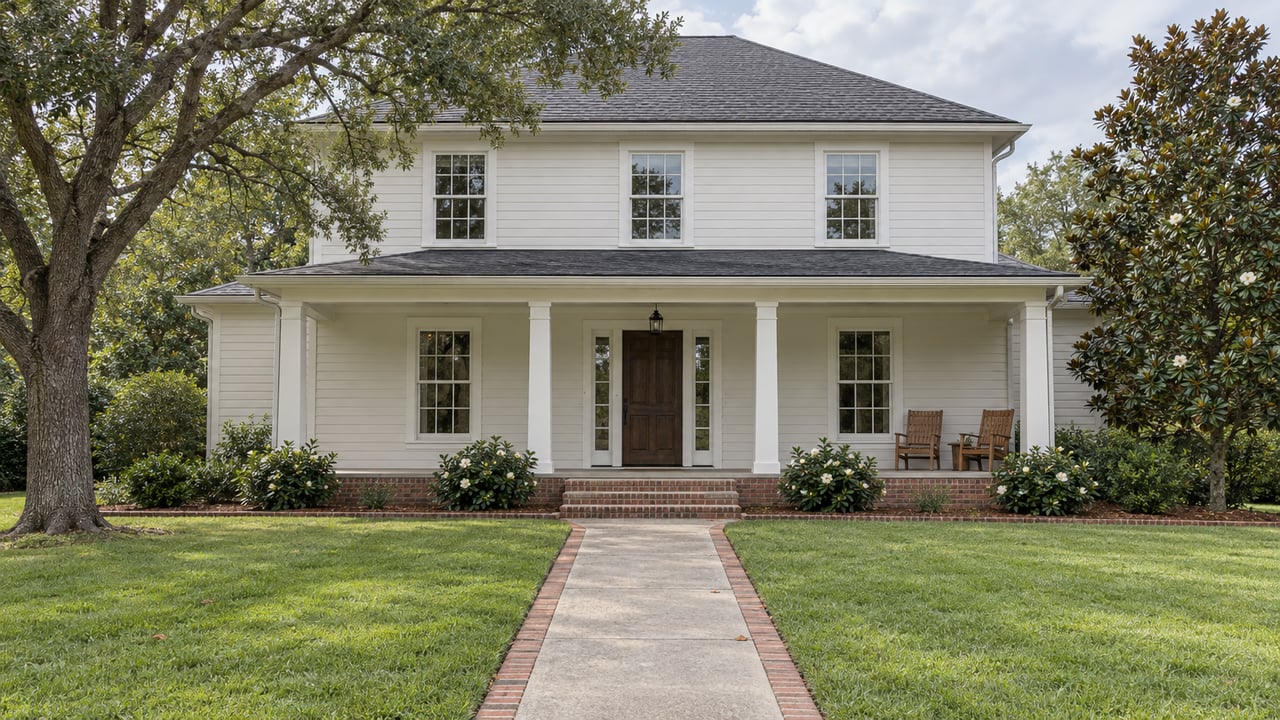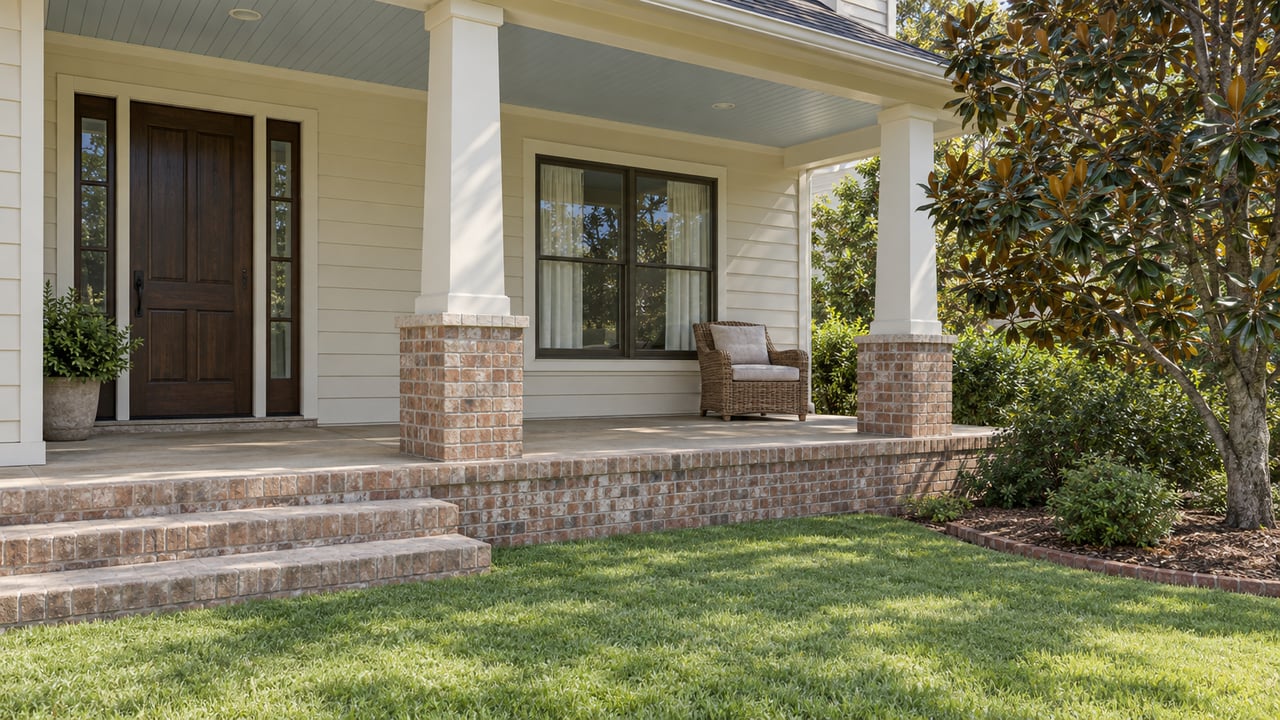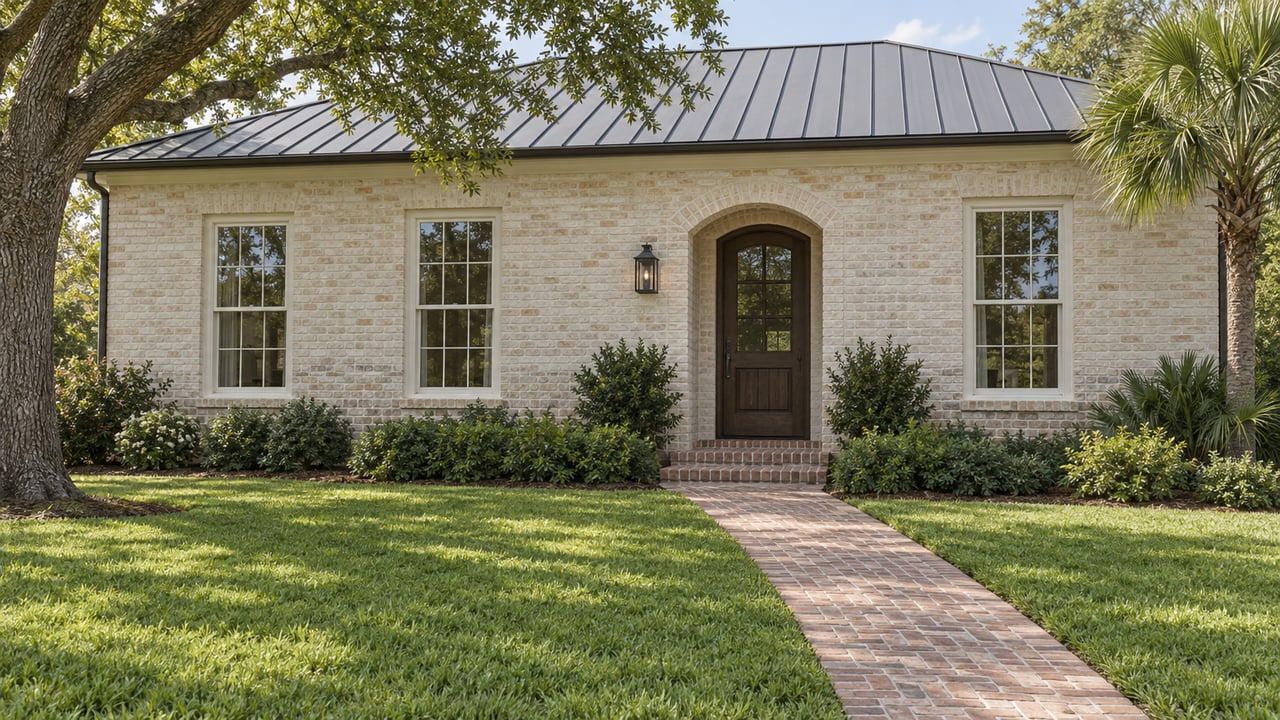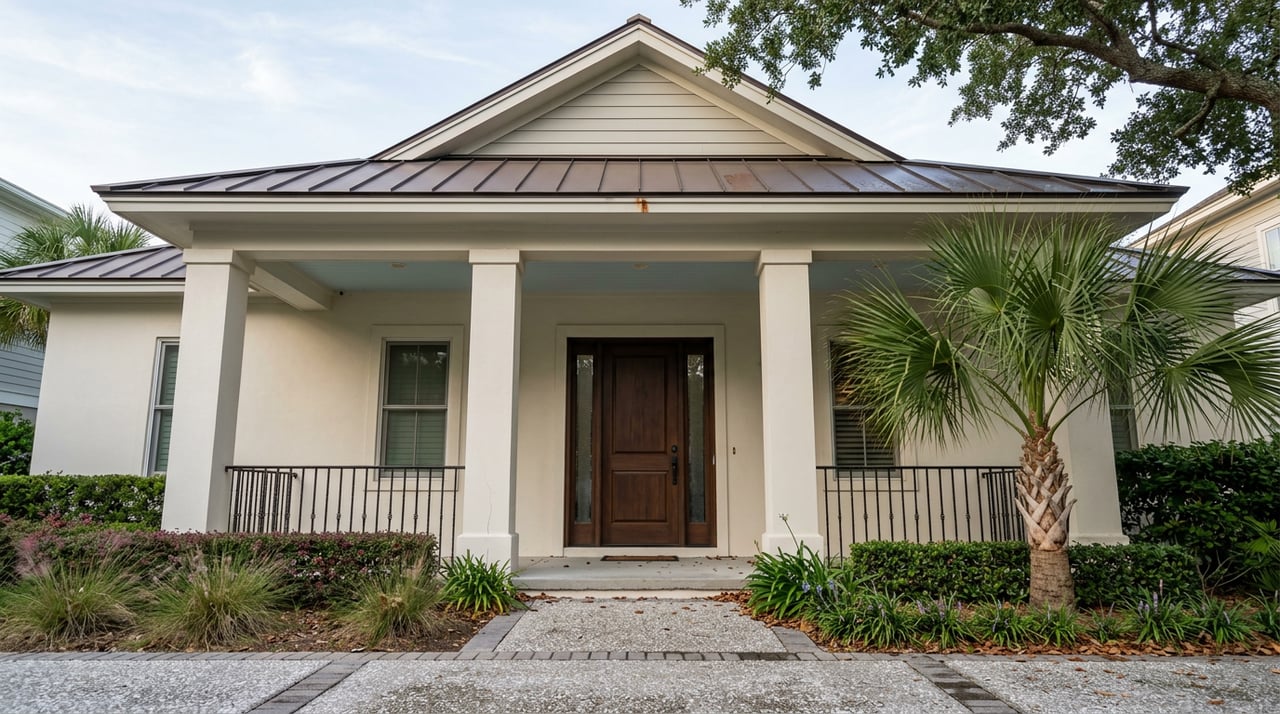
Every listing for this seventeen-home pocket in the heart of Myrtle Beach leads with the same detail: no HOA fees, park your boat or RV right at home. It reads like a lifestyle perk, highlighting the flexibility residents have. The project's small footprint is another factor to consider when weighing the tradeoffs.
Those tradeoffs matter if you're weighing a purchase here, because they shape what you should expect this community to feel like in five years and how you should think about resale.
Why Seventeen Lots Can't Support What Two Hundred Can
Homeowners associations exist to spread a fixed cost across a lot of buyers. Entrance landscaping, common-area upkeep, architectural review, a reserve fund for the inevitable capital repair. When a development has two or three hundred lots, that math works in the buyer's favor. The per-household bill for a nicely maintained entrance sign is small when three hundred households are splitting it.
Cut that same overhead down to seventeen doors and the arithmetic flips. Whatever infrastructure exists here has to be paid for by a fraction of the households, which means either the dues get uncomfortably high for what amounts to a small residential street, or there simply isn't enough shared infrastructure to justify collecting dues in the first place. Nothing in the community's own marketing describes a clubhouse, a pool, or a gated entry. That's consistent with a project sized for infill, not for amenity-driven living.
Pyramids Construction, the builder behind the project, is offering four floor plans across those seventeen lots: the Magnolia at three bedrooms and 1,461 square feet, the Palmetto at three bedrooms and 1,689 square feet, the Seabrook at four bedrooms and 2,106 square feet, and the Tidewater at five bedrooms and 2,350 square feet. Presales opened at the end of 2025, and the first homes are being delivered across 2026. That's a builder working lot by lot on a small parcel, not phasing out a master-planned community with a homeowners' board waiting in the wings.
The Tradeoffs of a Community Without an HOA
The freedom to park a boat in your own driveway is real. So is the fact that nobody down the street is required to match your fence, your paint, or your landscaping. Both of those things come from the same decision.
Here's the trade laid out plainly:
| With an HOA | At Withers Heights |
|---|---|
| Dues fund shared landscaping and entrance upkeep | No shared amenities to maintain, no dues to collect |
| Architectural review keeps exteriors consistent | Owners set their own standards, block by block |
| Reserve fund covers unexpected common-area repairs | No reserve fund because there's no common area to repair |
| Boat, RV, and motorcycle parking often restricted | Boats, RVs, golf carts, and motorcycles allowed at home |
| Community-wide comps from hundreds of same-HOA sales | Resale value leans on the surrounding Kings Highway corridor, not an internal comp set |
That last row is the one worth sitting with before you sign anything. A subdivision with two hundred homes gives an appraiser two hundred data points inside the same fence line. A seventeen-lot project gives an appraiser sixteen. In practice, that means your home's value here will track the broader in-town Myrtle Beach market around 12th Avenue South and Kings Highway more than it tracks some internal community identity. That's not a downside so much as a fact to plan around, especially if you're financing and want to know how an appraisal is likely to land.
What the Name Already Tells You
The Withers name on this project isn't a marketing invention. The Withers family were among the earliest European settlers along the Grand Strand, arriving in the 1700s and 1800s and holding large tracts of land and plantations across what eventually became Myrtle Beach. Withers Swash, a nearby waterway named for the same family, is another reference to the area's history. The family's history connects the project to the area's earlier settlement pattern.
That kind of infill is rare this close to the ocean. Most parcels within walking distance of the beach in the core of Myrtle Beach were built out decades ago. A brand-new, seventeen-lot single-family project appearing here at all is a function of how small the available land actually was. Seventeen homes wasn't a design choice made for exclusivity. It was likely the ceiling the parcel could physically support.
The Neighbors Are Already Established
Walk or take a golf cart from Withers Heights and you're close to two landmarks that predate the community by decades. Whispering Pines Golf Course started in 1962 as a facility built by the U.S. Air Force on what was then Myrtle Beach Air Force Base. It's since become a municipally owned course known for its military roots and its classic parkland layout, and it went through a significant renovation in 2025. Family Kingdom, the only oceanfront amusement park left on the Grand Strand, has operated since the 1960s and sits close enough to be a genuine walkable amenity rather than a drive-to attraction.
Neither of those facts shows up in a typical new-construction listing, and neither is something a builder invented for this project. They're part of what was already here before the first Withers Heights lot sold, and they provide context for the location beyond the project itself.
Reading the Listings Correctly
If you search this subdivision on the open market, you'll notice the price spread looks strange at first. Some entries are raw home sites priced in the $120,000 to $130,000 range. Others are finished homes starting around $400,000. That's not inconsistency. It's a phased project where land and completed construction were listed side by side while the builder worked through the seventeen lots one at a time. If you're comparing prices across this community, separate the vacant-lot listings from the finished-home listings before you draw any conclusions, because averaging them together tells you nothing useful about what a finished house here actually costs.
The community is also confirmed to sit outside a high-risk flood zone, which is worth factoring into any insurance quote you're comparing against other in-town properties. Coastal buyers already know how much flood zone designation can move a monthly payment, and this is one of the few concrete, verifiable facts about the parcel itself to consider alongside other property details.
A Few Questions Worth Settling Before You Tour
Does no HOA mean no rules at all? No. Owners are allowed golf carts, motorcycles, boats, and RVs at home, which tells you the absence of an HOA is about flexibility on those specific points rather than a total absence of any covenant. Ask to see the actual recorded restrictions for the lot you're considering rather than assuming "no HOA" means no restrictions of any kind.
Why are some lots still selling as raw land if homes are already finished nearby? Because presales only opened at the end of 2025 and the builder is delivering homes across 2026 rather than all at once. At any given moment during that rollout, you'll see a mix of vacant home sites and completed houses listed side by side, which is normal for a small, lot-by-lot infill project rather than a sign of a stalled development.
If you're weighing a purchase in a project this size, the questions worth asking are different from the ones you'd ask about a three-hundred-home subdivision. What matters here is the land's history, the absence of shared infrastructure, and how a future appraisal will treat a community this small. If you want a second set of eyes on what a specific lot or floor plan here is actually worth before you make an offer, Larisa Esmat can walk through the comps with you and help you review the available information and compare the numbers. Let's Connect — Book a Consultation.
This article is general information, not legal, tax or financial advice. Consult a qualified professional about your situation.