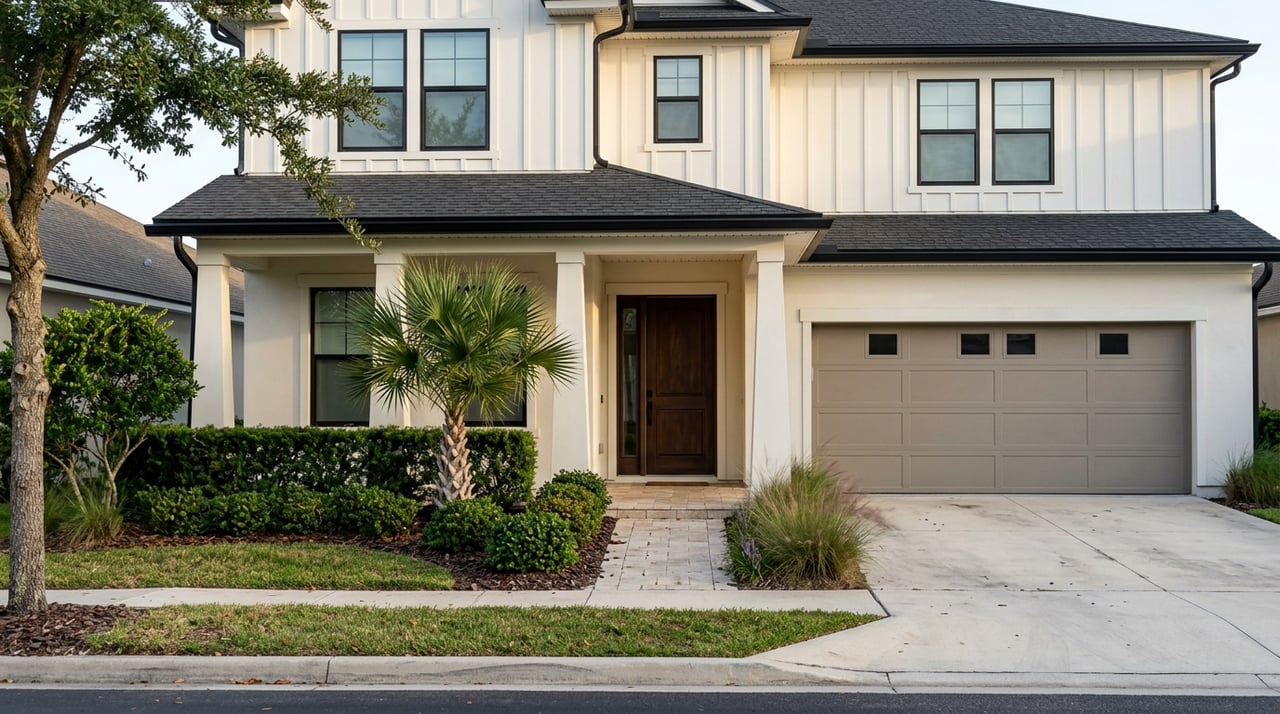
Choosing between Forestbrook and Carolina Forest can feel harder than it looks. Both are in the Myrtle Beach area, both give you access to the Grand Strand lifestyle, and both attract buyers who want a strong mix of convenience and value. If you are trying to figure out which one fits your budget, routine, and long-term goals, this guide will walk you through the key differences so you can make a more confident move. Let’s dive in.
Forestbrook vs. Carolina Forest at a Glance
Forestbrook and Carolina Forest are both unincorporated communities in Horry County, but they offer different scales and day-to-day experiences.
Forestbrook is the smaller option. The Census reports 6,656 residents across 3.67 square miles, and Horry County describes it as one of the county’s more established communities with slower growth than Carolina Forest.
Carolina Forest is much larger. Horry County describes it as the county’s largest development, spanning about 17 square miles with 89 major residential subdivisions, and notes its central location between Conway and Myrtle Beach.
If you want the simplest way to think about it, Forestbrook tends to feel more established and residential, while Carolina Forest offers a larger master-planned setting with more built-in choices.
Home Prices and Market Pace
Price is often the first filter for buyers, and current market data shows a noticeable difference between these two areas.
In Redfin’s June 2026 snapshot, Forestbrook had a median sale price of $327,304, compared with $395,263 in Carolina Forest. Forestbrook also had a longer median time on market at 138 days, while Carolina Forest came in at 98 days.
That does not mean one area is automatically better than the other. It does suggest Carolina Forest is currently moving a bit faster and sitting at a higher sales price point, while Forestbrook may appeal to buyers who want a lower entry point into the market.
There is also an important nuance here. Census estimates for owner-occupied home value are very close, at $335,800 in Forestbrook and $336,800 in Carolina Forest, which tells you the bigger difference is in today’s active sales market rather than a major long-term value gap.
Housing Options and Neighborhood Variety
Both areas offer a mix of housing types rather than one uniform product.
Redfin breaks out each market by all home types, including single-family homes, townhouses, and condos or co-ops. That means you can expect variety in both communities, although Carolina Forest’s larger scale naturally creates more subdivision choices.
With 89 major residential subdivisions, Carolina Forest gives buyers more options if you want to compare neighborhoods, layouts, and community styles in one broader area. Forestbrook offers fewer choices overall, but that can also make your search feel more focused and manageable.
If you like having many neighborhoods to tour, Carolina Forest may stand out. If you prefer a smaller search area with a more established footprint, Forestbrook may feel easier to navigate.
Commute and Road Access
Your daily drive can shape how a neighborhood feels just as much as the home itself.
Average commute times are fairly close. Census data shows an average commute of 22.0 minutes in Carolina Forest and 24.7 minutes in Forestbrook.
The road network tells a slightly different story. Horry County’s transportation program highlights major corridor upgrades in Carolina Forest, including the completed widening of Carolina Forest Boulevard to River Oaks Drive with four lanes, turn lanes, traffic signals, and a multi-use path. The county also lists a major widening of US 501 from SC 31 to SC 544 with estimated completion in fall 2026.
Forestbrook has its own key road improvement underway. Horry County lists the widening of Forestbrook Road between US 501 and Dick Pond Road to five lanes with a center turn lane and bike and pedestrian facilities.
In practical terms, Carolina Forest functions more like a busy regional hub, while Forestbrook reads more like a quieter residential area connected by important feeder roads. If you want to be in the middle of a larger activity corridor, Carolina Forest may fit. If you prefer a setting that feels less like a central hub, Forestbrook may be more your speed.
Shopping and Everyday Convenience
Convenience matters, especially if you want errands, dining, and services close to home.
Carolina Forest has the stronger built-in shopping story. Horry County says commercial development in the area has expanded, with Towne Center and Tanger Outlets serving as regional shopping destinations. The county also notes growing medical office construction on both ends of the community.
Tanger’s Myrtle Beach Hwy 501 outlet center is positioned along US 501, adding to that convenience factor. For larger regional entertainment and retail options, nearby destinations in the broader Myrtle Beach area include Broadway at the Beach and Coastal Grand Mall.
Forestbrook residents can still reach those same regional destinations, but the area itself is more residential in character. If you want more shopping and services woven into your immediate area, Carolina Forest has the edge. If you are comfortable driving a bit for more choices, Forestbrook still keeps you connected to the larger market.
Community Feel and Buyer Fit
This is where the choice often becomes clearer.
Forestbrook tends to align with buyers looking for a quieter residential feel. Census data shows a 91.5% owner-occupied rate in Forestbrook, compared with 69.6% in Carolina Forest, and Forestbrook also has an older age profile, with 27.5% of residents age 65 and over.
Carolina Forest trends younger overall. Census data shows 22.2% of residents are under 18 in Carolina Forest, compared with 16.5% in Forestbrook.
Combined with Horry County’s descriptions of the two communities, these patterns suggest a practical takeaway. Forestbrook often suits buyers who want a more established environment and a lower current price point, while Carolina Forest often suits buyers who want more neighborhood choices, nearby shopping, and a larger master-planned setting.
How to Decide Based on Your Priorities
If you are still torn, it helps to narrow the choice by what matters most in your daily life.
Choose Forestbrook if you want:
- A lower current median sale price
- A smaller, more established community
- A quieter residential feel
- A search area that may feel easier to narrow down
Choose Carolina Forest if you want:
- More subdivision and neighborhood options
- A larger master-planned environment
- More built-in shopping and service access
- A market that is currently moving somewhat faster
Neither choice is one-size-fits-all. The right fit depends on whether you value scale and convenience more, or a smaller and more established setting.
Why Touring Both Areas Matters
Online research is a great starting point, but these two communities often become easier to compare once you drive them in person.
You may find that Carolina Forest feels more active and choice-rich than you expected, or that Forestbrook feels more comfortable and practical for your routine. Street layout, traffic flow, nearby retail access, and the overall pace of each area can look very different once you experience them firsthand.
That is why local guidance matters. A neighborhood-by-neighborhood comparison can help you focus on the places that fit your budget, commute, and lifestyle goals without wasting time on options that do not match what you need.
If you are weighing Forestbrook against Carolina Forest, Larisa Esmat can help you compare homes, break down local market conditions, and find the area that feels right for you.
FAQs
What is the main difference between Forestbrook and Carolina Forest?
- Forestbrook is smaller and more established, while Carolina Forest is much larger and offers more subdivisions, shopping access, and master-planned development.
Are home prices higher in Carolina Forest than in Forestbrook?
- Yes. Redfin’s June 2026 data shows a median sale price of $395,263 in Carolina Forest versus $327,304 in Forestbrook.
Is Forestbrook quieter than Carolina Forest?
- Forestbrook generally reads as the quieter residential option based on its smaller size, slower growth, and higher owner-occupied rate.
Does Carolina Forest have more shopping and services nearby?
- Yes. Horry County notes expanded commercial development in Carolina Forest, including Towne Center, Tanger Outlets, and growing medical office construction.
Are commute times similar in Forestbrook and Carolina Forest?
- Yes. Census data shows average commute times of 24.7 minutes in Forestbrook and 22.0 minutes in Carolina Forest.
Which area may suit buyers who want more neighborhood choices?
- Carolina Forest may be a better fit if you want more neighborhood options, since Horry County identifies it as the county’s largest development with 89 major residential subdivisions.